Twelve observations before approval
This checklist is designed to work across the Rolex models covered on this site. It does not attempt to authenticate a genuine Rolex. Its purpose is narrower: verify that the replica being shipped matches the configuration ordered, performs the functions advertised and does not show obvious construction defects.
- Reference: confirm model, size, dial, bezel, bracelet and color.
- Front alignment: use a straight-on image to check dial, markers, hands and rehaut.
- Case geometry: inspect side profile, lugs, crown guards and crystal height.
- Bezel: check alignment, engraving and rotation where applicable.
- Date/Cyclops: inspect centering and more than one date value.
- Day display: on Day-Date, check multiple weekday values.
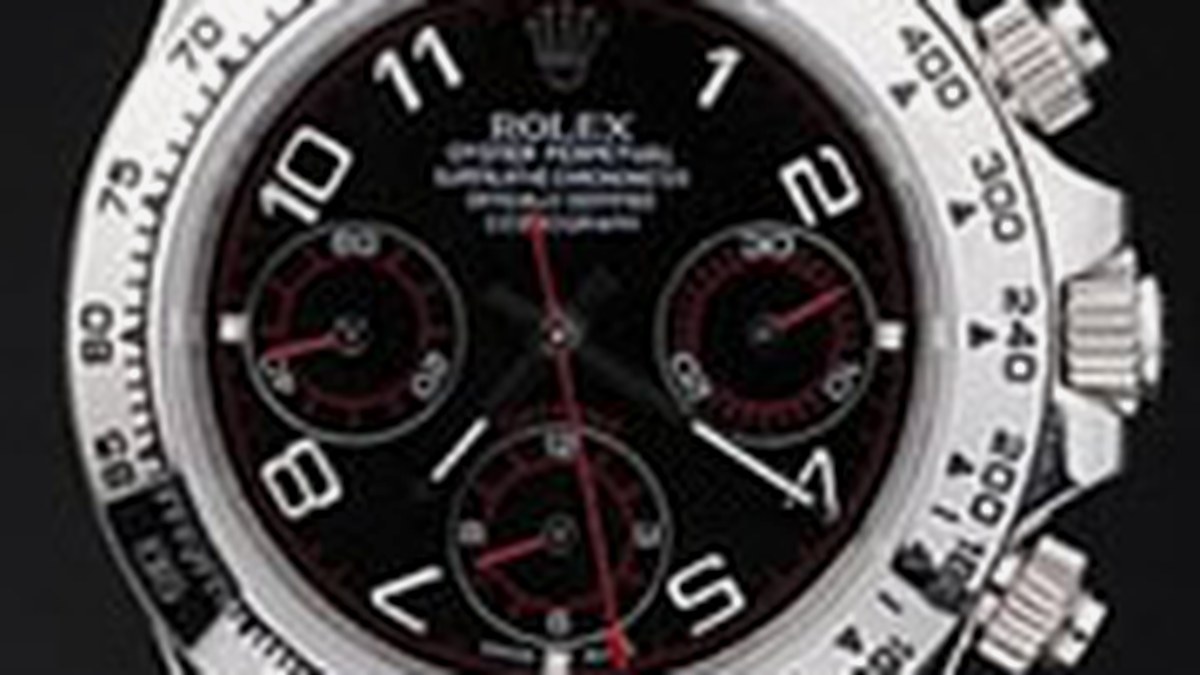
- Chronograph: on Daytona, start, stop, record elapsed time and reset.
- Bracelet: inspect end links, taper, clasp, sharp edges and adjustment.
- Movement: confirm calibre and all crown positions/functions.
- Timegrapher: use rate/amplitude/beat error as diagnostics where available.
- Cosmetic condition: look for scratches, dust, misprints and damaged coatings.
- Pressure test: require evidence if water resistance matters.
Good QC starts with useful angles
A single angled beauty shot is not enough. Ask for a straight dial image, crown-side profile, non-crown profile, bracelet/clasp, caseback and a close-up of any complication. Neutral lighting is better than extreme reflections because it reveals printing and alignment.
For watches with color-sensitive finishes, request at least one image in ordinary white light. Studio lighting can make gold tones and dial colors look significantly different.
Add the checks that belong to the model
A timegrapher screenshot is not a verdict
A timegrapher is helpful for spotting gross problems, but a single screenshot is not a universal pass/fail certificate. Different movements have different expected lift angles, beat rates and healthy amplitude ranges. Use the correct settings for the installed calibre and look for stable behavior rather than chasing one perfect number.
Know the difference between unclear and unacceptable
Request clarification when the watch differs from the ordered configuration, movement identity is inconsistent, visible functions do not work, or photos hide the area you specifically asked to inspect. Rejecting a unit for an objective defect is different from rejecting it because macro photography reveals tiny cosmetic differences that are invisible at normal viewing distance. Decide your tolerance before QC begins.
Keep one page of notes
Save the seller’s photos, movement description and test results with the order number. That gives you a reference if the delivered watch is different from the approved unit and makes future comparisons more consistent.
QC should happen in a fixed order
Start with configuration, then cosmetics, then functions, then measurements/tests. This order prevents wasted effort. There is little value in studying timegrapher amplitude if the seller has sent the wrong dial or bracelet. Likewise, do not reject a watch for a tiny cosmetic issue before confirming whether a more important complication works.
Use pass / clarify / reject rather than pass / fail only
Many QC questions cannot be answered from one image. “Clarify” is therefore a useful middle state. Ask for another angle, a different date value or a longer function video. Reserve rejection for objective mismatch, defect or a risk outside your tolerance.
How to review a timegrapher screenshot
First verify that the machine is set to the correct beat rate and, where relevant, lift angle for the installed calibre. Then look for a stable trace, reasonable rate, beat error and amplitude in context. Numbers vary by movement, wind state and position. One screenshot should be treated as a diagnostic sample rather than a lifetime performance guarantee.
Video QC for complications
For Daytona, video should show start, running, counter advancement and reset. For Day-Date, show day/date setting and a change cycle if practical. For GMT models not currently covered by a dedicated page, a true GMT claim should demonstrate how the local hour and 24-hour hand are adjusted. Function video is especially valuable where still photographs cannot verify architecture.
Delivery inspection should repeat the same checklist
When the watch arrives, compare it with the approved QC images before wearing it. Confirm serial/reference-style markings, dial, bracelet and any distinctive scratch or feature visible in QC so you know the same unit was shipped. Then repeat crown, complication and clasp tests. Document a mismatch promptly.
For calendar models, ask for the crown-setting sequence as part of QC rather than discovering it after delivery. The seller should be able to demonstrate which crown position controls time, date and day where applicable. An unusual sequence may be normal for the installed movement, but it should not be a surprise.
For coated watches, include close-ups of the clasp hinge, crown, caseback edge and first bracelet links. These are high-contact areas where scratches or uneven coating are easiest to detect. On steel watches, the same angles are useful for judging brushing and polish transitions.
Do not overuse digital overlays or alignment grids. They can help identify a visibly crooked marker or bezel, but lens distortion and camera perspective can create false errors. Confirm suspected alignment problems with a second straight-on photograph before rejecting a unit.
QC is most useful when it prevents avoidable surprises, not when it becomes a search for microscopic perfection. A disciplined checklist should catch wrong configurations, failed functions, obvious finishing defects and unverified critical claims while keeping normal manufacturing variation in perspective.
It is also useful to keep one normal-distance photo in the QC set. Macro images reveal dust and printing, but a wrist-distance image reveals overall proportion, bezel-to-dial balance and whether the watch simply looks coherent. A high-tier replica should work at both scales.
Finally, confirm the accessories that materially affect use: spare links, clasp tools if required, setting instructions and any pressure-test or timegrapher record promised in the listing. QC is complete only when the watch and the agreed supporting items match the order.